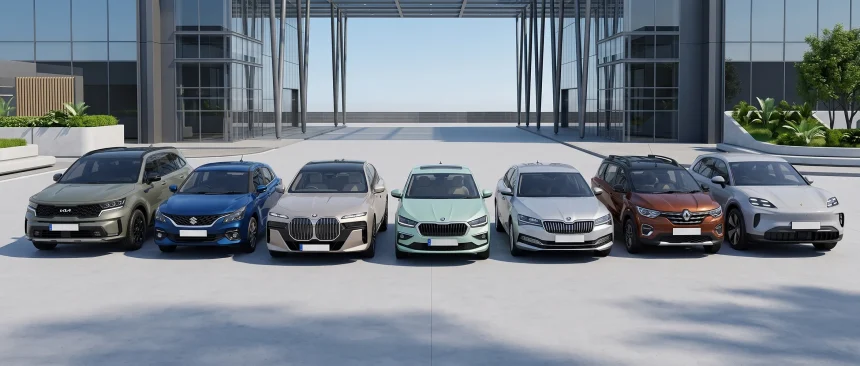
What if you walked into a car showroom this September and couldn’t decide what to book? A powerful hybrid SUV, a refreshed hatchback, a luxury sedan, or an electric Porsche with more power than many supercars? That’s exactly what makes September 2026 so interesting for Indian car buyers.
This month brings major launches from Kia, Maruti Suzuki, BMW, Skoda, Renault and Porsche. There is something for almost every type of buyer, from practical family cars to ultra-premium performance SUVs. With the festive season approaching, manufacturers are also bringing their latest models to showrooms in time.
Why September 2026 Is Special?
There are usually at least one or two major launch events each month. In September, several manufacturers will make numerous such launches. From the premium luxury segment to the entry-level hatchback segment, manufacturers have left no segment uncovered.
The timing is also important. Navratri and Diwali are among the busiest periods for car sales in India. Automakers want their newest models available before the festive buying rush begins. At the same time, hybrids and EVs are becoming a bigger part of the market, while petrol, diesel and CNG cars continue to receive important updates.
7 New Car Launches In India In September 2026 At A Glance
| Car | Segment | Launch Date | Approx. Price |
| Kia Sorento | 3-row premium SUV | September 4 | ₹27.99 lakh – ₹40.39 lakh |
| Maruti Suzuki Baleno Facelift | Premium hatchback | September 5 | Expected ₹6.5 lakh – ₹10 lakh |
| BMW 7 Series & i7 Facelift | Luxury/electric sedan | September 11 | To be announced |
| Skoda Slavia Facelift | Mid-size sedan | Mid-September | To be announced |
| Skoda Superb 2026 | Executive sedan | Around September 18 | Estimated ₹50 lakh |
| Renault Triber Updated | Compact MPV | September 2026 | To be announced |
| Porsche Cayenne Electric | Performance electric SUV | September 30 | Ultra-premium segment |
1. Kia Sorento
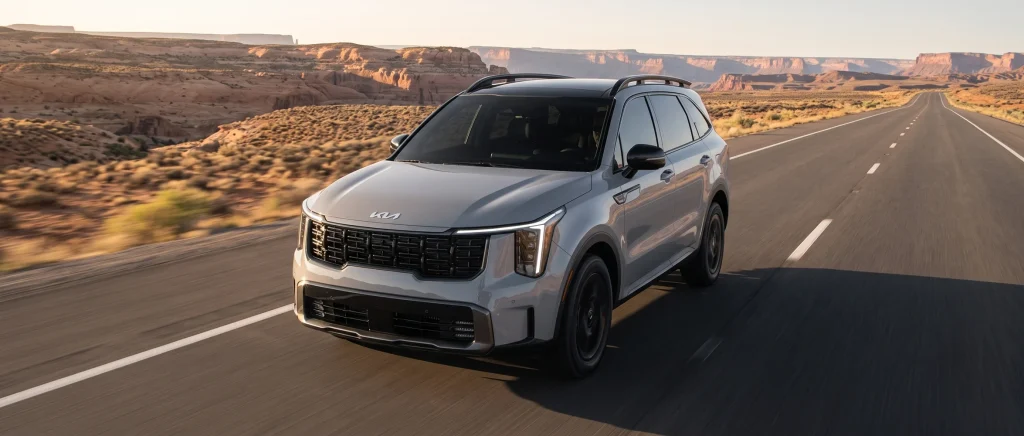
The Kia Sorento is one of the biggest launches this month. Kia launched the SUV in India on September 4, with prices ranging from ₹27.99 lakh to ₹40.39 lakh ex-showroom. It sits above the Seltos and becomes Kia’s new flagship internal-combustion SUV in India. The Sorento is available with a 1.6-liter strong-hybrid petrol engine producing 238 horsepower and 380 Nm. There is also a r2.0-liter diesel engine producing 202 horsepower and 441 Nm of torque. Hybrid variants get all-wheel drive, while buyers can choose between six- and seven-seat layouts.
Key Highlights
- 1.6-litre strong-hybrid petrol engine
- 2.0-litre diesel engine
- Up to 238 hp and 380 Nm
- AWD available with hybrid variants
- Six- and seven-seat layouts
- Panoramic sunroof
- ADAS features
- Connected-car technology
- Large touchscreen displays
The SUV also gets Kia’s modern design language, with a Tiger Nose-inspired grille, vertical LED headlamps and Y-shaped daytime running lights. The cabin focuses on comfort and technology, making it a strong option against models such as the Toyota Fortuner, Skoda Kodiaq and MG Gloster.
2. Maruti Suzuki Baleno Facelift
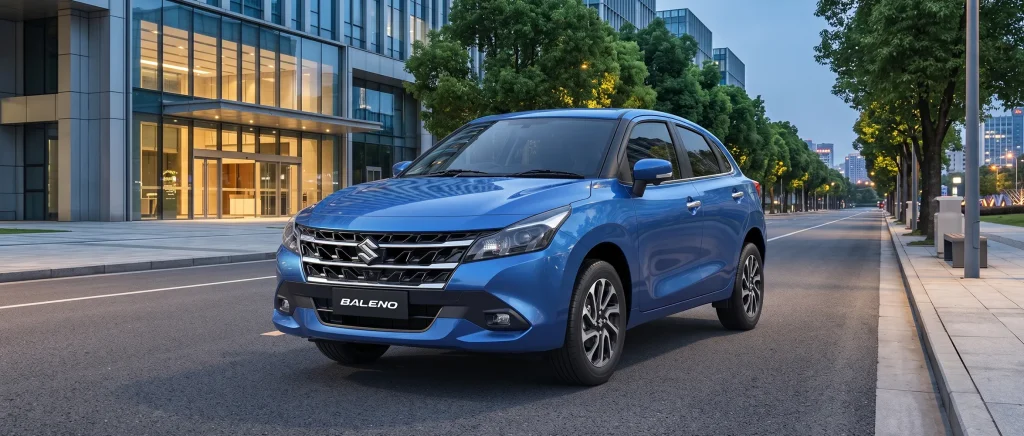
The Baleno facelift may not be as dramatic as some other launches this month, but it could have a bigger impact because of the car’s popularity. It went on sale on September 5 and continues with the familiar 1.2-liter petrol engine producing 90 horsepower. The biggest mechanical change is the new CNG-AMT combination. This gives buyers the lower running costs of CNG with the convenience of an automatic gearbox. The cabin also gets a 10.1-inch touchscreen, wireless charging, ventilated front seats, and updated upholstery.
What Has Changed?
- New CNG-AMT option
- 10.1-inch touchscreen
- Wireless phone charging
- Ventilated front seats
- Updated interior
- ADAS safety features
- Revised bumpers
- New alloy wheel designs
- Updated colour options
The addition of ADAS is particularly important. Features such as forward collision warning and lane departure alerts bring more advanced safety technology to the premium hatchback segment. The exterior changes remain fairly subtle, with updates to the grille, bumpers, alloy wheels and color options.
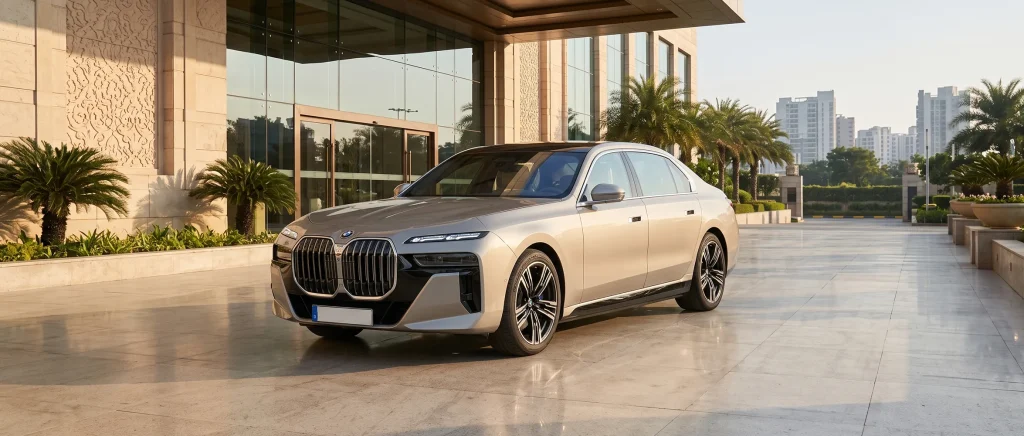
3. BMW 7 Series and i7 Facelift
BMW will introduce the new 7 Series as well as the new i7 in India on September 11. While the new 7 Series facelift sticks to BMW’s luxury sedan format, the new i7 brings an all-electric flavor to the luxury sedan range. Bookings for both cars are open through BMW dealerships and the official website. Introducing both cars together is an outcome of the evolving dynamics of the luxury car market.
Key Highlights
- Updated luxury sedan and electric sedan
- 7 Series and i7 launching together
- Launch date: September 11, 2026
- Bookings already open
- Petrol and fully electric powertrain choices
- Rivals include Mercedes-Benz S-Class and EQS
- Prices to be announced at launch
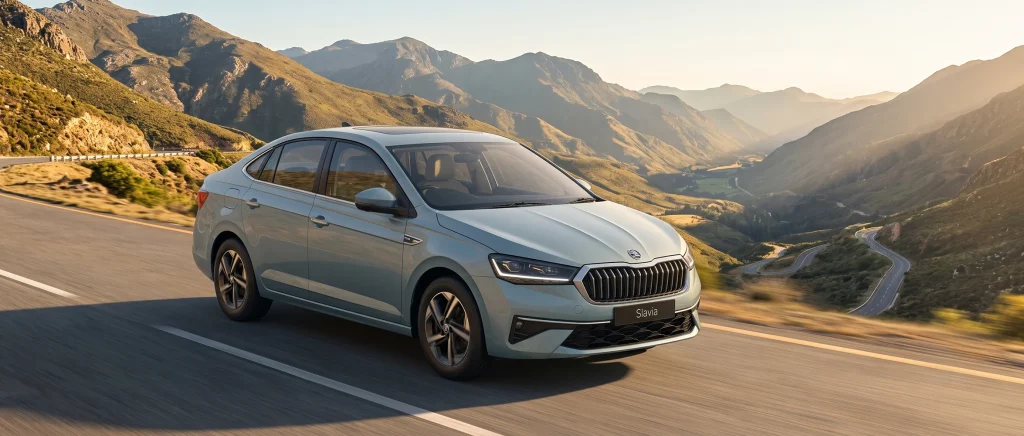
4. Skoda Slavia Facelift
The Skoda Slavia facelift gets several useful updates while retaining its familiar character. One of the key changes is the new 8-speed automatic gearbox paired with the 1.0-liter TSI petrol engine. Existing engine and transmission options continue as well. Inside, the sedan gets a larger 10.25-inch digital driver’s display and an updated 10.1-inch infotainment screen with AI-assisted functionality. A rear-seat massage function is another unusual addition for this segment, giving the Slavia an interesting advantage over rivals such as the Honda City and Hyundai Verna.
Key Highlights
- New 8-speed automatic with 1.0-litre TSI
- 10.25-inch digital driver’s display
- Updated 10.1-inch infotainment screen
- AI-assisted infotainment features
- New rear-seat massage function
- Existing engine and transmission options continue
- Rivals include Honda City and Hyundai Verna
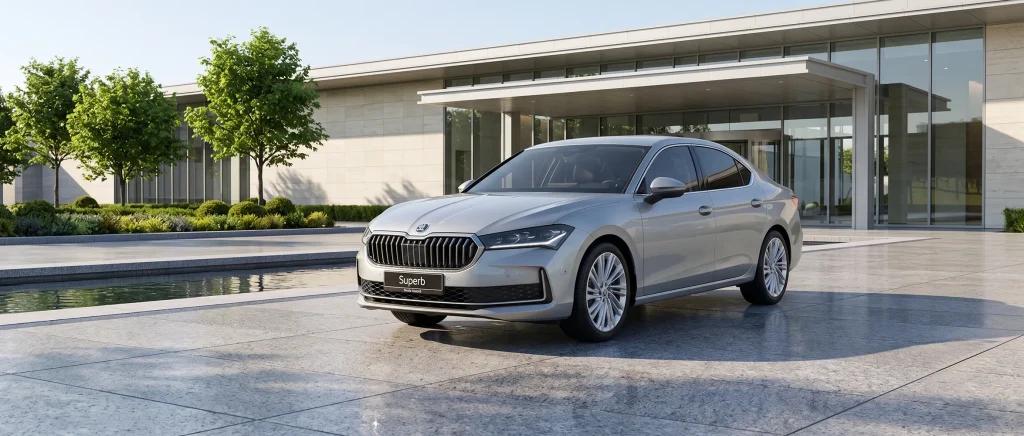
5. Skoda Superb 2026
According to reports, the Skoda Superb is set to make its comeback in Indian showrooms starting September 18 and will be available at an approximate price of ₹50 lakh. Unlike the Slavia, the Superb is designed to cater to buyers seeking a larger, more luxurious executive sedan. The Superb has always been marketed on spaciousness and luxury above all else.
Key Highlights
- Expected return to India around September 18
- Estimated price of around ₹50 lakh
- Large executive sedan
- Focus on comfort and cabin space
- Premium yet understated design
- Positioned above the Slavia in Skoda’s line-up
- Targets buyers looking for luxury without a flashy badge
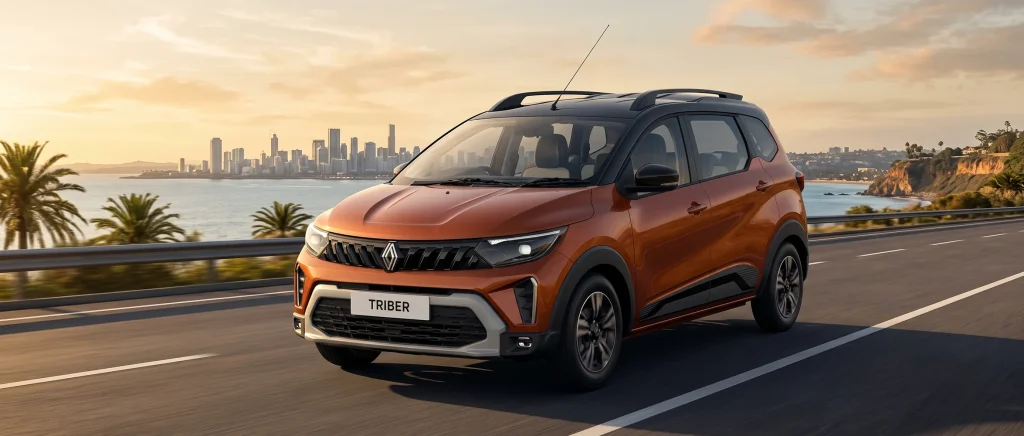
6. Renault Triber
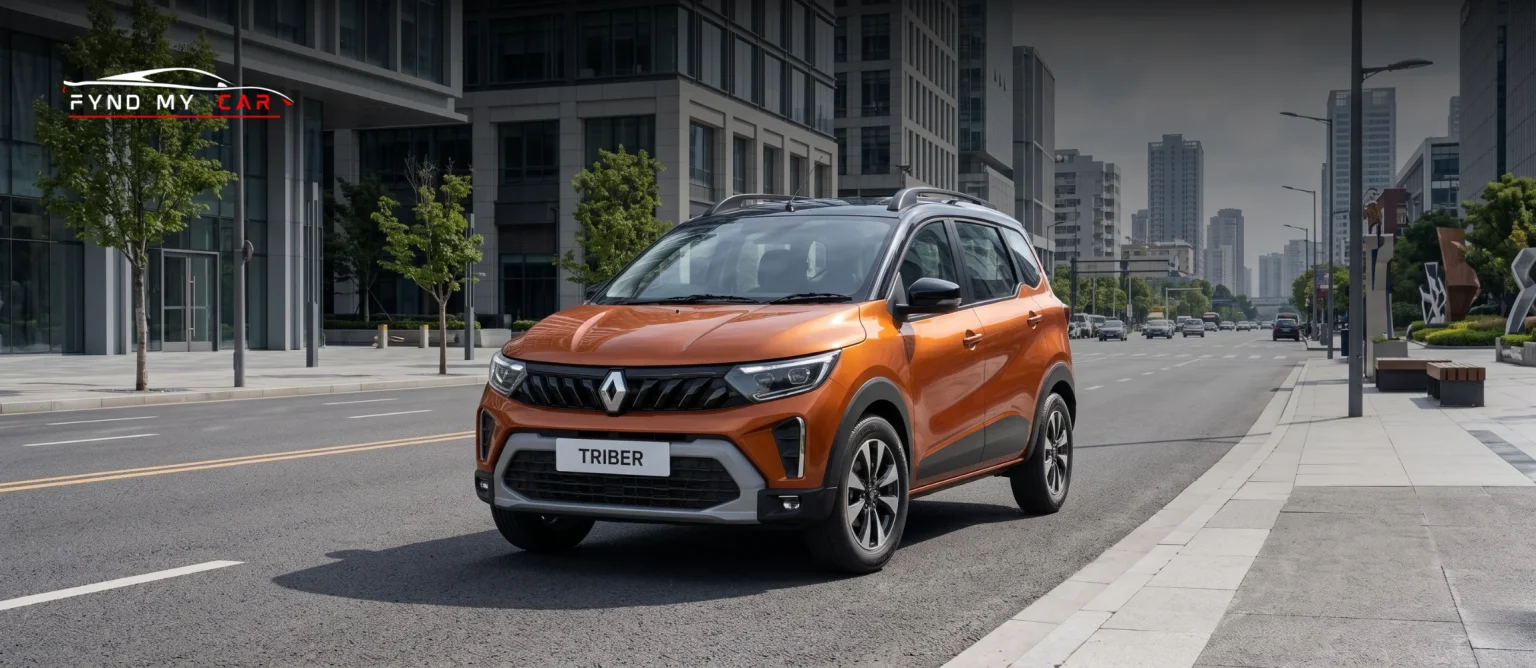
The updated Renault Triber may look like a regular facelift, but there is a major change underneath. Renault is moving the Triber from the older CMF-A platform to its newer RGEP architecture. The change could improve structural rigidity, safety, and overall refinement. The biggest powertrain update is a new 1.0-liter three-cylinder turbo-petrol engine. It produces 99 horsepower and 160 Nm of torque, and is based on the same tune as the Kiger Turbo. The existing 1.0-liter naturally aspirated engine producing 71 horsepower and 96 Nm will continue.
Renault Triber Highlights
- New RGEP platform
- 1.0-litre turbo-petrol engine
- 99 hp and 160 Nm
- Existing naturally aspirated petrol engine continues
- Possible turbo-CNG version
- Focus on practicality and lower running costs
There have also been sightings of a turbo-CNG version undergoing testing. If Renault eventually introduces it, the combination could appeal to families and fleet users seeking lower running costs without sacrificing the Triber’s practical three-row layout.
7. Porsche Cayenne Electric
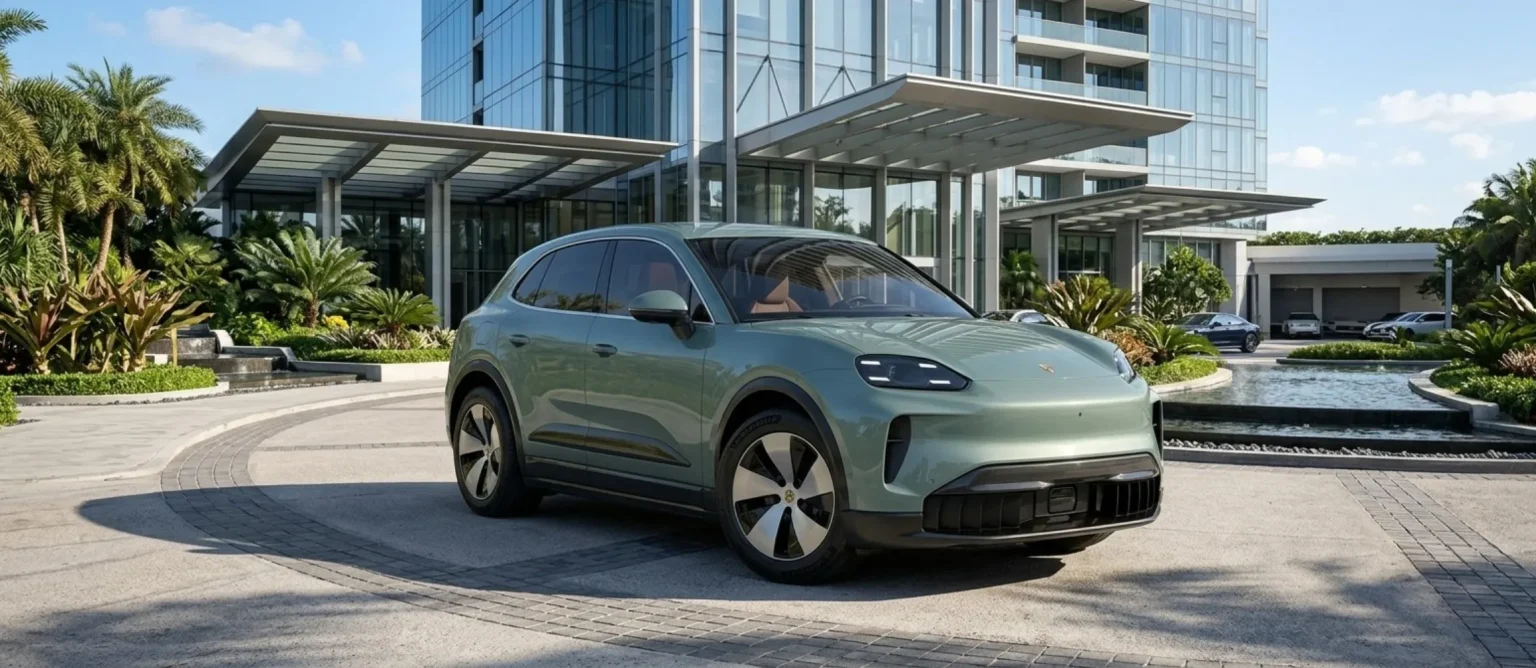
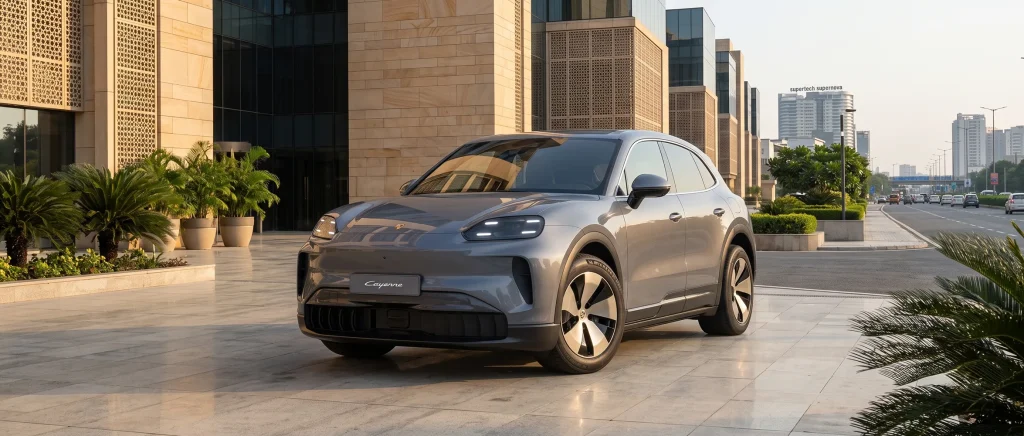
The Porsche Cayenne Electric is scheduled to arrive in India on September 30. While several launches this month focus on practicality and comfort, the Cayenne Electric is all about performance. The SUV uses a 113 kWh battery, with Porsche claiming a range of up to 642 km depending on the variant and configuration. The range-topping version can produce an incredible 1,156 PS and sends power to all four wheels. That puts its performance well beyond what most people expect from a family SUV.
Key Highlights
- 113 kWh battery
- Up to 642 km claimed range
- Up to 1,156 PS
- All-wheel drive
- 14.5-inch infotainment display
- 14.9-inch passenger screen
- Augmented-reality head-up display
- Adaptive air suspension
- Four-zone climate control
- Ventilated seats
The cabin is equally impressive, with a 14.5-inch curved infotainment screen and a separate 14.9-inch passenger display. It also gets an augmented-reality head-up display, panoramic sunroof, four-zone climate control, and ventilated seats. The Cayenne Electric is clearly designed to be both extremely quick and genuinely comfortable.
What September 2026 Says About India’s Car Market?
Looking at all seven launches together, one trend is hard to miss. Hybrid and electric technology is becoming increasingly important in India’s premium car market. Kia is bringing hybrid power to its flagship SUV, BMW is offering an electric alternative to its flagship sedan, and Porsche is taking electric performance to another level. At the same time, traditional powertrains aren’t disappearing. The Baleno continues with petrol and CNG, the Sorento offers diesel, and the Triber retains its naturally aspirated petrol engine. These updates show that manufacturers are still investing in cars that suit buyers who aren’t ready to move to an EV.
The other big theme is technology. ADAS, larger screens, wireless charging, connected features, and more premium cabin equipment are becoming increasingly common. Features once limited to expensive cars are gradually making their way into more affordable segments. Most importantly, September is all about choice. Whether you’re looking for a practical hatchback, a family SUV, an executive sedan, or a high-performance electric vehicle, there is something new to consider this month.
Final Thoughts
September 2026 promises to be a great month for Indian car shoppers, with a number of models launching across almost all segments. From utility-based Baleno and Triber to luxury-based Sorento, Slavia and Superb, the options are quite many. Buyers with a penchant for luxury cars will see new versions of the BMW 7 Series and i7. The launch of the Porsche Cayenne Electric promises supercar-like performance in the SUV category. With advanced technologies and improved powertrains, September 2026 promises a wide variety of options for Indian consumers in their car purchases.
FAQ
1. What is the price of the Kia Sorento in India?
A. The Kia Sorento was launched in India on September 4, 2026. Its prices start at ₹27.99 lakh and go up to ₹40.39 lakh ex-showroom, depending on the variant, seating layout and powertrain.
2. What is new in the Maruti Suzuki Baleno facelift?
A. The Baleno facelift gets a new CNG-AMT option along with a larger touchscreen, wireless charging, ventilated front seats and ADAS features. The existing 1.2-litre petrol and CNG powertrains continue.
3. Are the BMW 7 Series and i7 launching together?
A. Yes. The BMW 7 Series facelift and i7 facelift are scheduled to launch together in India on September 11, 2026. Bookings for both models are already open.
4. What is the range of the Porsche Cayenne Electric?
A. The Porsche Cayenne Electric uses a 113 kWh battery and has a claimed range of up to 642 km, depending on the variant. The top version can produce up to 1,156 PS.
5. Does the updated Renault Triber get a new platform?
A. Yes. The updated Triber moves from the CMF-A platform to Renault’s newer RGEP architecture. It also gets a new 1.0-litre turbo-petrol engine producing 99 horsepower and 160 Nm.